
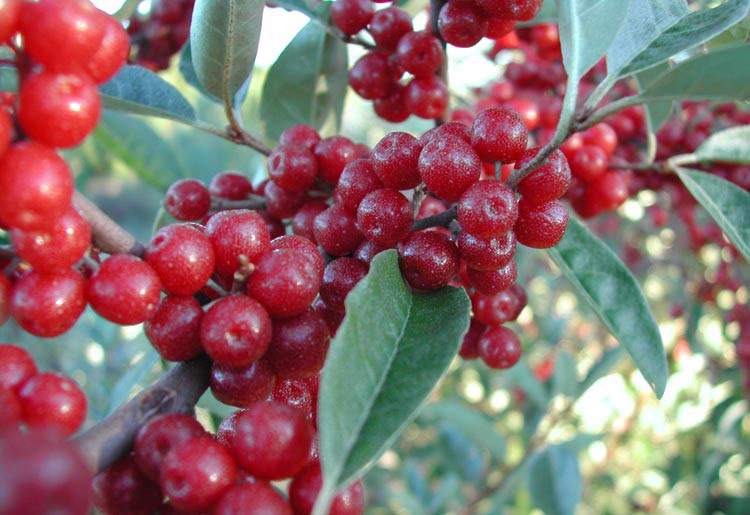
Are Red Olives Natural? Or Dyed That Color?
Red olives are a rare and unique delicacy, often shrouded in mystery. Unlike their green and black counterparts, red olives are not commonly found in grocery stores, making them an exciting discovery for olive lovers. The vibrant red hue of these olives can be attributed to two main factors: natural pigmentation and the curing process.
Certain Greek and Italian olive varieties develop a reddish hue naturally due to their anthocyanin content—the same pigments found in red grapes and berries. These olives undergo a color transformation as they ripen, taking on a deep reddish or purplish shade. Their natural pigmentation makes them stand out among traditional olive varieties.
On the other hand, some red olives owe their striking color to specialized curing and preservation methods. This process may involve fermenting the olives in red wine, beet juice, or other natural color-enhancing solutions. Unlike artificial olive dyeing, which is sometimes used in the industry, these natural methods ensure the olives retain their rich, authentic flavor and nutritional benefits while taking on a visually appealing red hue.
The 12 Main Olive Varieties to Know
The world of olives is vast and diverse, with each variety offering a unique flavor, texture, and color. Among the many types available, 12 main olive varieties stand out for their popularity and distinctive characteristics.
- Cerignola Olives – Originating from the Cerignola region in Puglia, Italy, these large, meaty olives are known for their mild flavor and buttery texture.
- Kalamata Olives – Grown in Kalamata, Greece, these deep purplish-red olives are famous for their briny, fruity taste and smooth texture.
- Niçoise Olives – A staple in Mediterranean cuisine, these small, dark olives from Nice, France, have a rich, slightly tangy flavor.
- Thassos Olives – Hailing from Thassos Island, Greece, these wrinkled black olives are often dry-cured and packed with intense, savory notes.
- Nyons Olives – A French delicacy from Nyons, these dark brown olives are soft, slightly sweet, and commonly used in Provençal dishes.
- Picholine Olives – A crisp, green French olive known for its nutty, slightly tart taste, commonly used in martinis and appetizers.
- Gaeta Olives – From Gaeta, Italy, these small, wrinkled olives are known for their mild, tangy flavor and are often served in antipasti dishes.
- Castelvetrano Olives – Grown in Castelvetrano, Sicily, these bright green olives are beloved for their sweet, buttery taste and firm texture.
- Manzanilla Olives – A classic Spanish olive with a slightly smoky taste, perfect for stuffing with pimentos or anchovies.
- Arbequina Olives – Small and aromatic, these Spanish olives produce high-quality olive oil with a fruity, nutty profile.
- Alfonso Olives – These deep purple Chilean olives are known for their soft texture and strong, wine-like flavor.
- Mission Olives – Originating in the U.S., these versatile black olives are commonly used in salads, pizzas, and pasta dishes.
The Role of PDO (Protected Designation of Origin) in Olive Quality
The PDO (Protected Designation of Origin) label plays a crucial role in ensuring the authenticity and quality of olives. Olives from specific regions, such as Kalamata in Greece or Castelvetrano in Sicily, must meet strict criteria to receive PDO certification. This guarantees that consumers enjoy genuine, high-quality products cultivated using traditional methods.
Olive Color Enhancement and Natural Pigmentation
The coloration of olives is influenced by various factors, including genetics, climate, and ripening stages. Some olives naturally transition from green to red to black, while others maintain a consistent hue throughout their growth cycle. While some producers use artificial dyeing to achieve a more uniform appearance, naturally pigmented red olives retain their authentic flavors and nutritional benefits.
The Olive Curing Process: Bringing Out the Best Flavors
Curing is an essential step in making olives edible, as raw olives are typically too bitter to consume. There are several curing methods, including water curing, brine curing, lye curing, and dry curing. Some red olives undergo a unique wine-curing process, enhancing their flavor and giving them a distinctive reddish hue.
Frequently Asked Questions (FAQs)
Q: Are red olives healthier than green or black olives?
A: Red olives contain similar health benefits to other olives, including heart-healthy fats, antioxidants, and essential nutrients. Their anthocyanin content may offer additional antioxidant properties.
Q: Do red olives taste different from other olives?
A: Yes, depending on the variety and curing method, red olives can have a fruity, tangy, or slightly wine-like flavor, making them unique among olives.
Q: Where can I buy red olives?
A: Red olives are not as commonly available as green or black olives but can sometimes be found in specialty grocery stores, Mediterranean markets, or online.
Red olives are a true hidden gem in the world of gourmet foods, offering a delightful combination of bold color, rich flavor, and traditional craftsmanship. Whether enjoyed as a snack, added to a charcuterie board, or used in Mediterranean recipes, these rare olives are worth seeking out for their distinctive appeal and culinary versatility.

