
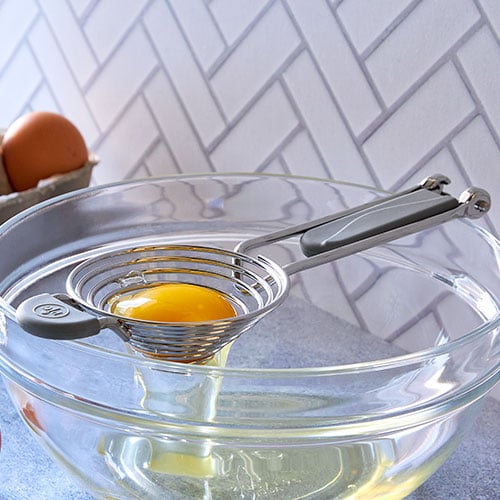
Egg separators are more than just a convenience; they’re essential kitchen tools that make separating egg whites from yolks a breeze. Whether you’re a seasoned chef or a home baker, mastering egg separation can elevate your cooking game. Whether you need egg whites for a meringue or yolks for a rich custard, an egg separator can save you valuable time and effort.
In this comprehensive guide, we’ll walk you through everything you need to know about egg separators, from different types to the techniques used by top pastry chefs. Plus, we’ll share expert tips on how to separate eggs like a pro and ensure you’re getting the best results every time.
How to Separate Eggs Like a Pastry Chef
One of the key skills that pastry chefs like Kristen Miglore have mastered is the art of egg separation. The process involves skillfully separating egg whites from yolks, a technique that can be crucial when making delicate dishes like soufflés, meringues, and macarons. To achieve this, most professional chefs use specialized egg separators, which are designed to make the process as seamless as possible.
Egg separators come in different shapes and designs, but they all serve the same basic function—letting the egg whites slip through while holding the yolk in place. The use of an egg separator ensures that the egg whites stay intact, which is essential for recipes that require stiff peaks, such as meringue. For instance, some pastry chefs prefer manual separators, which often come in plastic, metal, or silicone materials. These devices are simple yet highly effective, ensuring perfect separation every time.
But there’s more to separating eggs like a pro. The key is in handling the egg gently to avoid breaking the yolk. If the yolk breaks, it could ruin your recipe, especially if you’re separating egg whites for something as delicate as a soufflé or meringue. To avoid this, chefs like Coral Lee suggest using cold eggs for easier separation, as the yolk is less likely to break when chilled.
Tips for Egg Separation
For those who are new to egg separation or want to improve their technique, a few simple tips can make all the difference. First and foremost, always crack your eggs into a separate bowl before separating them. This way, if the yolk breaks, you won’t ruin the rest of the egg whites. Once cracked, use an egg separator to do the hard work for you. These kitchen tools are designed to be user-friendly, making the job faster and cleaner.
When using an egg separator spoon, make sure to hold it gently over the bowl, allowing the egg whites to slip through the perforated holes while the yolk stays nestled in the separator. If you’re using a manual separator with a bowl or tray, gently pour the egg into the tool, and the egg whites should fall through naturally. For a mechanical egg separator with a lever or spring mechanism, place the egg in the designated area and let the tool do the rest.
While a reliable egg separator tool is key, the method of cracking the eggs also plays a crucial role in successful separation. Using a gentle tap to crack the egg, rather than a hard slam, will help prevent any unwanted mess and will make the yolk easier to handle.
Types of Egg Separators
There are several different types of egg separators, each with its unique benefits. Choosing the right one for your needs will depend on how often you separate eggs and the type of recipes you typically make.
- Manual Egg Separators: These are by far the most common type of egg separators. Made from materials like plastic, metal, or silicone, they typically feature a small bowl or tray with holes. When you crack an egg into the separator, the egg white naturally flows through the holes, leaving the yolk behind. Some designs also include a small cradle to catch the yolk. These are affordable, easy to use, and effective for most baking needs.
- Egg Separator Spoons: These spoon-shaped tools have small perforations that allow the egg whites to slip through while keeping the yolk securely in place. They are lightweight and easy to use, making them perfect for small batches. Professional pastry chefs like Kristy Mucci use these spoons to quickly separate eggs when making dishes like macarons or other delicate desserts.
- Mechanical Egg Separators: If you’re looking for speed and precision, a mechanical egg separator might be your best option. These high-end tools feature a lever or spring mechanism that instantly separates the egg whites from the yolk with minimal effort. They’re often used in high-volume kitchens or by home cooks who frequently separate eggs for large recipes like meringue or custards.
Why You Should Use an Egg Separator
Egg separators aren’t just about convenience; they also play an important role in achieving the best possible results in your cooking. Recipes like meringues, soufflés, and pavlovas rely on perfectly separated egg whites that are free from any trace of yolk. Even the tiniest bit of yolk can prevent the egg whites from whipping up to their full potential, leading to flat or runny results.
Egg separators help ensure that you get clean separation every time. This is especially important in baking, where precision and accuracy are key to getting the right texture and consistency. Whether you’re making fluffy meringue, a smooth custard, or a batch of delicate macarons, using an egg separator ensures you can focus on your recipe without worrying about broken yolks or messy egg whites.
Additionally, egg separators are excellent time-savers. Cracking eggs by hand can lead to unwanted messes, especially when you’re separating multiple eggs at once. With an egg separator, you can streamline the process and get your ingredients ready faster, allowing you to focus on the fun part: baking!
Frequently Asked Questions
1. What is the best way to separate egg whites from yolks without a separator? While it’s possible to separate eggs by hand or using the shell, an egg separator tool ensures cleaner and more precise separation, especially when you need to separate multiple eggs.
2. Can an egg separator be used for large batches of eggs? Yes! Mechanical egg separators are especially suited for large batches, as they allow you to separate multiple eggs quickly and efficiently.
3. Is it necessary to use an egg separator for every recipe? No, it’s not necessary for every recipe. If you’re only separating one or two eggs, you may be able to do it by hand. However, if you need precise egg whites for baking or egg yolks for custard, an egg separator can help achieve better results.
4. Can I use an egg separator for other ingredients? Egg separators are specifically designed for eggs, but some multifunctional tools can also help separate other liquid ingredients, such as separating fat from broth. Always check the product details for versatility.
Conclusion
An egg separator is more than just a kitchen gadget; it’s an investment in your cooking and baking success. With the right egg separator, whether manual, spoon-shaped, or mechanical, you can separate egg whites from yolks with precision and ease. Following tips from pastry chefs like Kristen Miglore and Coral Lee will help you refine your technique and produce the best results possible.
Next time you’re making meringues, soufflés, or any recipe that requires egg separation, reach for an egg separator. With the right tool in hand, you’ll be ready to tackle any recipe with confidence.

